

Herpes infections are very common. Approximately 75 percent of the adult population has antibodies to the virus, which is a sign that they have a herpes infection. A first-time infection can cause symptoms but often goes unnoticed. Most people who carry the herpes simplex virus are therefore not aware that the virus is dormant (latent) in the body. After an initial infection, the herpes virus can then be reactivated (reactivated) and cause recurring symptoms in the skin or mucous membranes in the form of blisters. Herpes type 1 is most often found around the mouth (labial herpes or cold sores) and Herpes type 2 is most often found in the genitals (genital herpes).
About the test
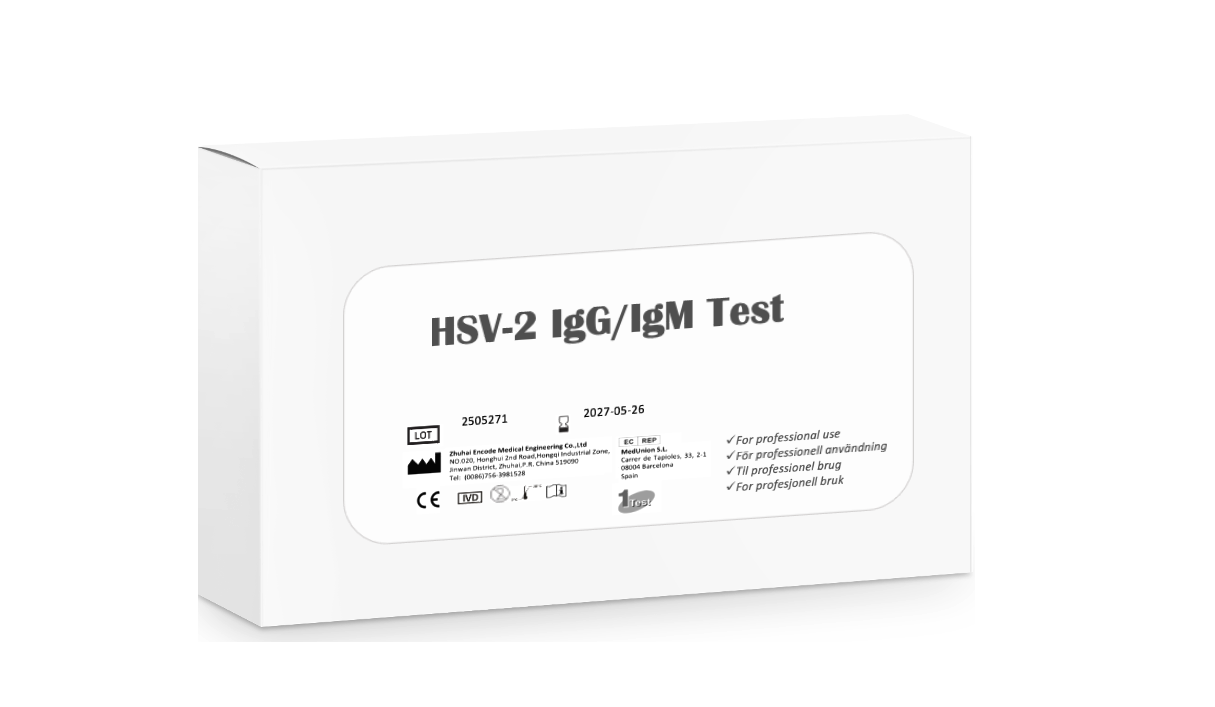
The test looks for the antibodies IgG and IgM. The immune system produces the antibodies in response to a herpes infection. The test measures antibodies specific to herpes type 2.
Accuracy HSV-IgG: 98.4%
Accuracy HSV-IgM: 99.1%
This product is CE marked for professional use by healthcare professionals. It is not intended or tested for home use.
Who should get tested?
Regular testing is important for anyone who is sexually active, regardless of age, sexuality, or relationship status. It is a good idea to get tested for STDs if you have had unprotected sex and are experiencing symptoms, such as unusual discharge or a burning sensation when you urinate. It is also a good idea to get tested even if you are not experiencing symptoms; not all STDs are noticeable.
When should I get tested?
The earliest you can get tested for STDs can vary, but usually it’s a week after you had unprotected sex. It’s never too late to get tested. Some STDs can take months, and sometimes even years, from the time you get them until you notice anything.
How is herpes spread?
The virus is spread through bodily fluids, saliva and sexual contact. HSV causes typical herpes rashes, especially around the mouth, lips and face (cold sores) but also on the genitals. HSV is highly contagious and infected pregnant women are at risk of transmitting the virus to their baby during childbirth, especially if she has a first-time infection with genital herpes. Furthermore, if the pregnant woman has a herpes relapse, the risk is much lower.
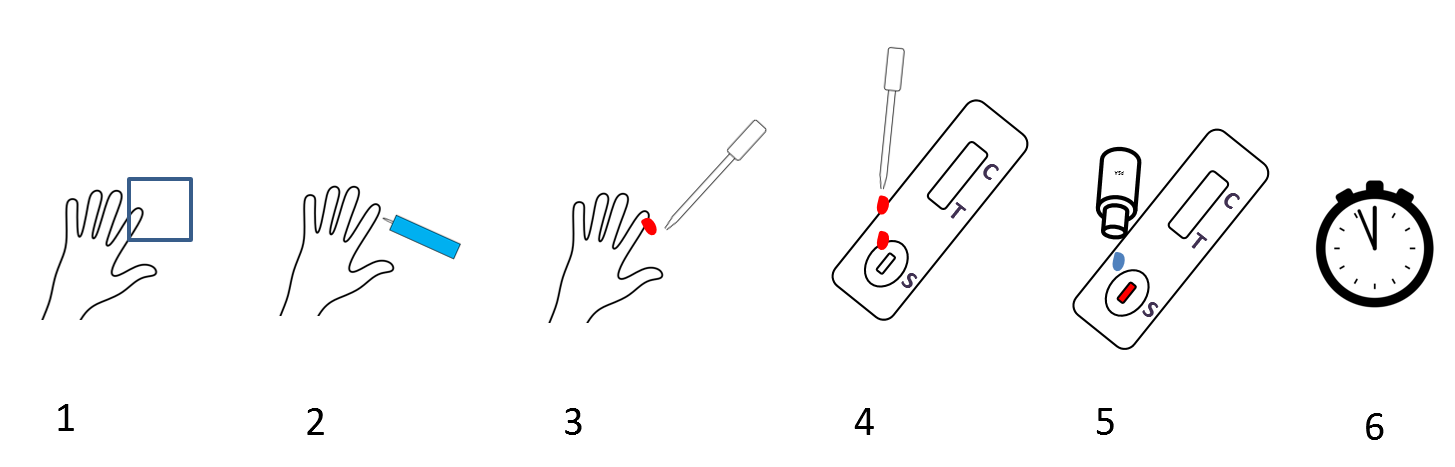
User instructions
- Clean your finger
- Puncture your finger with a lancet.
- Aspirate 2-3 drops of blood with the pipette.
- Drop 1 drop of blood into the test cassette well (S).
- Then add 2 drops of buffer.
- Read the result within 15 minutes. Do not interpret the result after 15 minutes.
Results
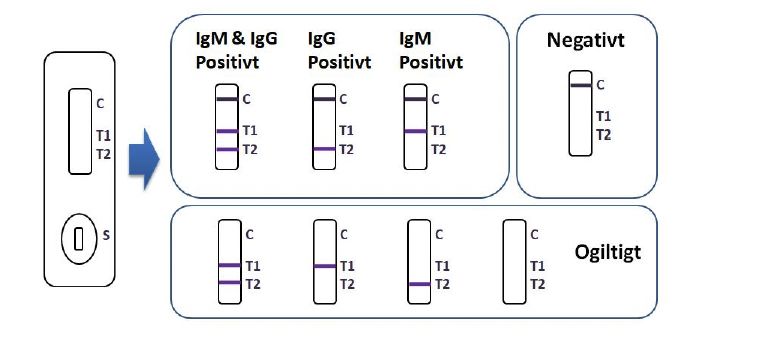
Storage
Store the test in the sealed package either at room temperature or refrigerated (2-30°C). The test cassette is stable until the expiration date stated on the package. The test device should remain in the sealed pouch until use. Do not freeze.
CE, IVD
EU REP – Authorized Representative in the European Community
MedUnion SL Address: Carrer de Tapioles, 33, 2-1, 08004, Barcelona, Spain Tel: 34644173535


Reviews
There are no reviews yet.